Facial Skin Rejuvenation
Tone, texture and the light catching it.
Laser resurfacing, dermabrasion and chemical peels to improve skin tone and texture, soften lines and reduce scarring.
- Non-surgical
- Laser, mechanical or chemical
- Ablative and non-ablative options
What this addresses
- Minimise fine lines and wrinkles
- Treat brown spots, redness and discolouration
- Tighten skin and encourage collagen production
- Remove acne or surgical scars
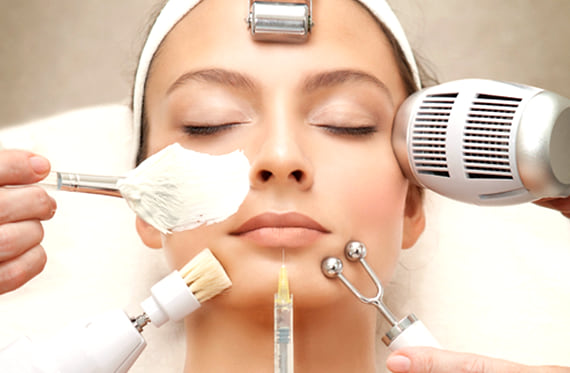
Facial skin rejuvenation, when we hear this term facial peels and masks are what comes to mind. Yes, they play a role in skin rejuvenation, although other non surgical procedures such as laser treatment and dermabrasion (removing top layer of skin) play a vital role too.
Lasers use highly concentrated beams of light energy to improve the skin’s tone, texture and appearance.
How can laser skin resurfacing improve my skin?
- Minimize fine lines or wrinkles
- Treat brown spots, redness or discoloration for more balanced skin tone
- Tighten skin and encourage collagen production
- Remove acne or surgical scars
- Remove unwanted facial or body hair
Ablative Lasers
Ablative lasers remove outer layers of skin and encourage new skin to heal in its place. How deep the laser penetrates depends on the wavelength of the light; your cosmetic surgeon will determine the best laser application for you depending on your skin type, your goals, and the nature of the problem you wish to address.
Non-Ablative Lasers
Some lasers do not break the skin’s surface; these are called non-ablative. They work instead by heating up the skin below the surface to encourage new collagen growth and help restore the skin’s natural firmness and tone. While they work more gradually than ablative lasers, these treatments typically require no downtime and can have lasting results for rejuvenating the appearance.
The improvements possible with laser resurfacing are long-lasting and can be dramatic, but they will not appear overnight. It takes several months for the full effects of new skin cell and collagen growth to take shape, and residual after-effects of treatment, such as skin that appears pink at the treatment site, can take a few weeks to subside.
However, every patient is a little different. Your cosmetic surgeon will help you learn what type of results you might expect from different laser resurfacing treatment options.
Mechanical exfoliation technique, where an instrument is used to slough off (scrape away) outer layers of skin to remove visible skin damage and reveal smoother, healthier and younger looking skin.
Microdermabrasion
Relatively gentle procedure that can be used on face, neck, hands and body. During treatment, the area is exfoliated by using a very fine tipped instrument or by applying a fine mist of abrasive particles. The exfoliated skin is then immediately vacuumed away. Microdermabrasion is safe for all skin types, requires no downtime post treatment. It is only crucial to protect treated skin from sun during the initial days.
Dermabrasion
Dermabrasion is a more powerful mechanical resurfacing technique than microdermabrasion. During treatment, a cosmetic surgeon will use a rapidly rotating instrument or blade to precisely remove skin from the treated area layer by layer until the desired depth. Because it reaches more deeply into the skin’s surface, dermabrasion can affect skin pigmentation, and thus is not recommended for every skin type.
Usually, patients will receive a topical anesthetic or local anesthesia to ensure comfort during and after the procedure. The purpose of dermabrasion is to remove enough layers of skin to remove the visible concerns and encourage new cell growth. Therefore, the area will be tender and “raw” after treatment. It is essential to keep the area well protected from the sun and follow your cosmetic surgeon’s instructions for keeping the skin free from infection.
What can microdermabrasion do to improve skin?
- Minimize fine lines & wrinkles, such as crow’s feet
- Help skincare products work more effectively
- Brighten skin & improve tone
- Reduce age spots or mild acne scars
What can dermabrasion do to improve skin?
- Minimize vertical lip lines, smile lines, or other facial wrinkles
- Remove acne scars and other blemishes
- Smooth the skin and balance complexion
skin peels are abrasive creams that are used to resurface the face. Most surgeons use chemical peels for best results, although for people that don’t want chemical peels there are alternatives.
Chemical peel
Resurfacing the skin with a chemical solution that causes the outer layers of skin to peel away. This is what cosmetic surgeons call a chemical peel. During treatment, a solution is brushed or swabbed onto your skin, where it will be left for a certain period of time. Over the days following treatment, the affected layers of skin will gradually peel away, revealing a smoother, younger-looking complexion.
Alternative peels
Herbal peel - Contains only natural (herbal) ingredients and no harmful additives. It works by removing dead skin cells and germs from the first three layers of your skin. These peels also get in improving circulation to face, along with subcutaneous cleanse of the skin for about a fortnight (2 weeks).
Salt peel - The only abrasive in this type of peel is the salt, thereby removing the dead skin cells and germs from the first few layers of the skin. We usually rub a anti-aging vitamin mask post treatment, as this encourages the body to form more collagen, which gives a more fuller appearance to the face.
All various types of skin rejuvenation listed above will slow down the undesired signs of aging. Which one is best for you? Come visit our surgeons to get a comprehensive analysis of your skin, what you want to achieve and which treatment option/s is best for you.
How can a chemical peel help improve my skin?
- Reduce or remove age spots, blotchiness, or discoloration
- Smooth fine lines & wrinkles on the skin’s surface
- Minimize or remove acne scars or milder scars from injury or surgery
- Tighten & tone the skin and brighten the complexion
- Remove keratoses or precancerous growths
Answered at consultation.
Ablative lasers remove the outer layers of skin and encourage new skin to heal in its place. Non-ablative lasers do not break the skin's surface; they heat the skin below it to encourage new collagen growth and restore natural firmness and tone. Non-ablative treatments work more gradually but typically require no downtime.
The improvements possible with laser resurfacing are long-lasting and can be dramatic, but they will not appear overnight. It takes several months for the full effects of new skin cell and collagen growth, and residual after-effects such as pinkness at the treatment site can take a few weeks to subside.
Yes. Herbal peels contain only natural ingredients and no harmful additives, working by removing dead skin cells and germs from the first three layers of the skin. Salt peels use salt as the only abrasive, usually followed by an anti-ageing vitamin mask to encourage collagen formation.
Often considered together.
Considering facial skin rejuvenation?
Start with an assessment. We will talk through what you want to change, what is realistic, and which technique gets you there with the least intervention.
- Assessed by a surgeon, not a salesperson
- Procedures performed in our own certified facility
- Written plan and pricing before anything is booked