
Dental Bonding
Reshaped in a single sitting.
Composite resin bonding closes spaces, repairs chips and reshapes teeth, sculpted directly onto the natural enamel.
- Dentistry
- Single visit
- Composite resin
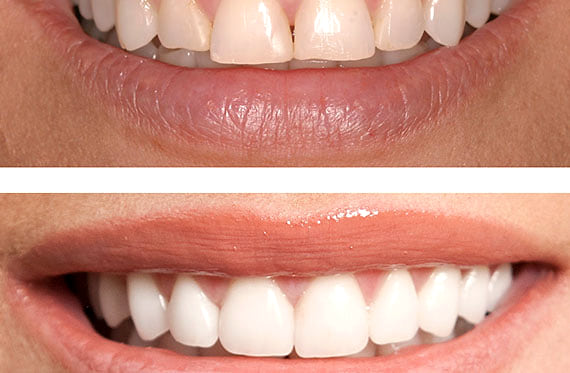
What this addresses
- Closing spaces between teeth
- Repairing chips and altering tooth size or shape
- Changing the colour of teeth
- Correcting the appearance of jumbled or crooked teeth
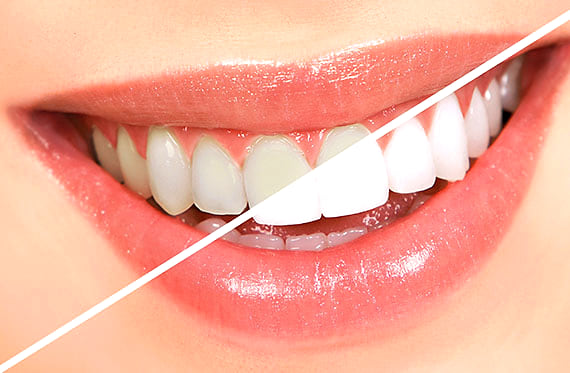
Dental bonding is a cosmetic procedure carried out with the use of composite resin. It enables our dentists to correct any imperfections in patients’ teeth to create a more attractive smile. Bonding may:
- Close spaces
- Repair chips
- Alter the size or shape of teeth
- Change color of the teeth
- Correct appearance of jumbled or crooked teeth
How is it done?
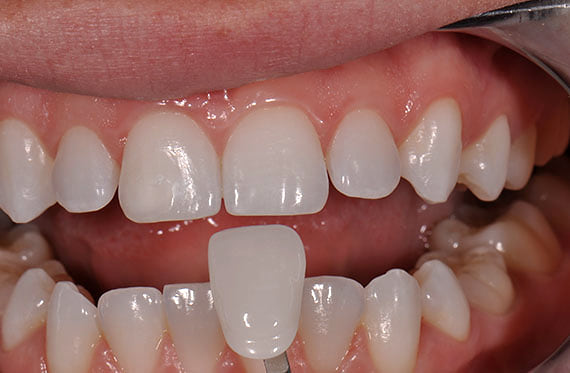
First, a mild gel solution is painted over the natural tooth enamel which hardens the surface and allows for a tight bond. Resin (putty-like substance) that contains color matched pigments is then applied, sculpted and shaped along with your natural teeth. Then, it is UV light treated to allow it to harden; finally the resin is polished to a natural luster so your smile appears natural and beautiful.
How long does it last?
Typically, dental bonding lasts about 15 years if maintained properly, although some people may require a resurfacing earlier. Lifespan depends on patients’ oral care, so good oral care routine significantly improves the lifespan of dental bonding.
Answered at consultation.
A mild gel solution is painted over the enamel to harden the surface and allow a tight bond. Colour-matched composite resin is then applied, sculpted and shaped along with your natural teeth, cured with UV light, and polished to a natural lustre so the result appears natural and beautiful.
Typically about 15 years if maintained properly, although some people require resurfacing earlier. Lifespan depends on your oral care, so a good routine significantly improves it.
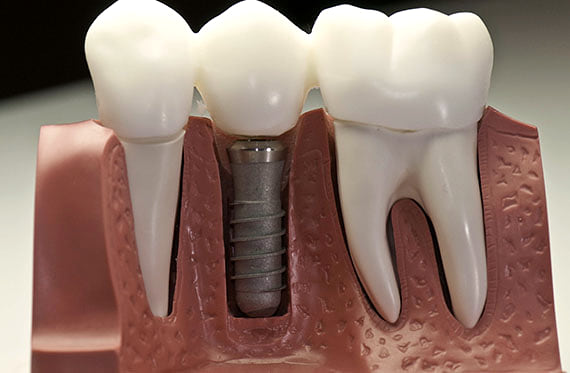
They solve similar problems, but bonding is completed directly on the tooth in a single visit, whereas veneers add strength and support to the tooth and require laboratory work. Your dentist will advise which suits the specific defect.
Often considered together.
Considering bonding?
Start with an assessment. We will talk through what you want to change, what is realistic, and which technique gets you there with the least intervention.
- Assessed by a surgeon, not a salesperson
- Procedures performed in our own certified facility
- Written plan and pricing before anything is booked